Work with the best in
- First post is free
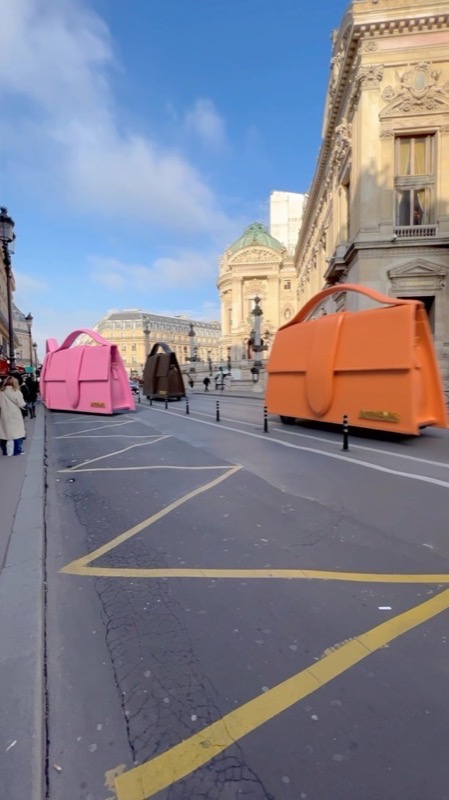
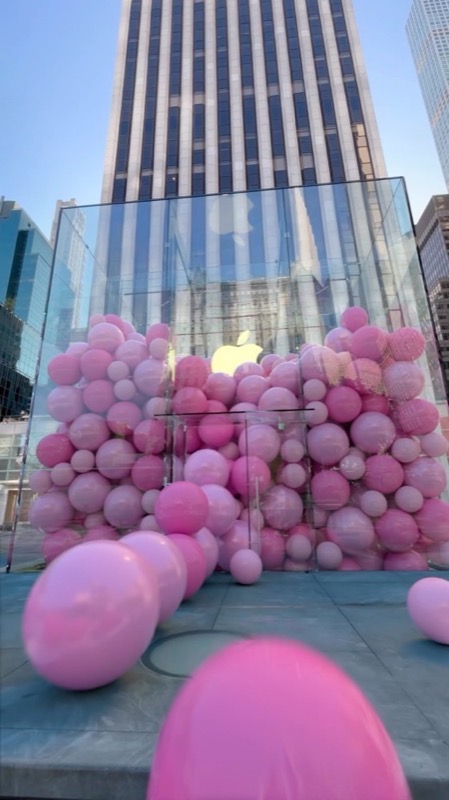
- Browse standout FOOH and 3D billboard campaigns
- Hire top-rated artists and studios with confidence

 Staff Pick
 Antoni Tudisco
 Leentwentyone
 Staff Pick
 Haut CGI
 Ania Greta Studio
 Staff Pick
 Fomesones
 Staff Pick
 ReillyFX
 Kaan Illustration
 Staff Pick
 Moving Bits pte ltd
 Emily Redfearn
 Staff Pick
 VFXaddART
 Mopo
MopoFeaturing campaigns from








































Gamified Advertising
Creative Challenge #2: Gamified Advertising
 The FOOH Awards
The pinnacle of CGI & 3D mixed reality.
The only annual awards celebrating the world's most outstanding CGI and mixed-reality campaigns — judged by the people who make them.
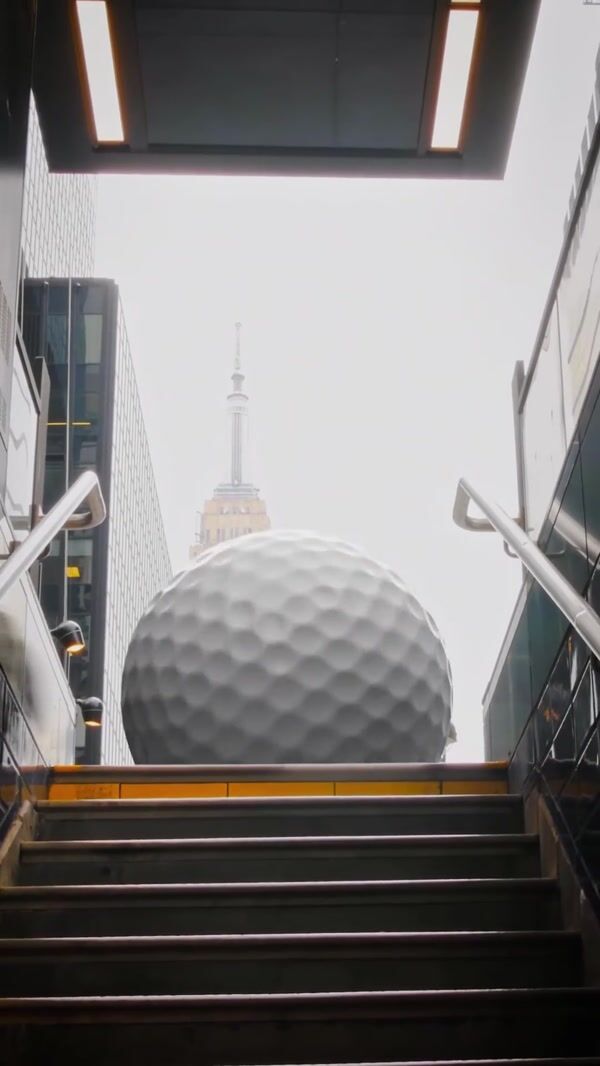



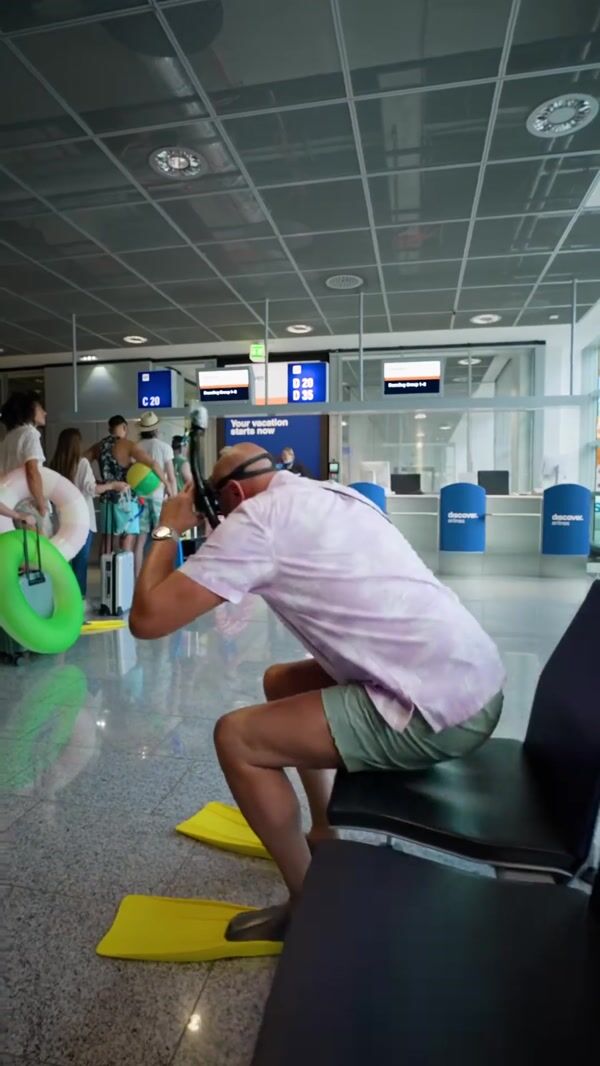

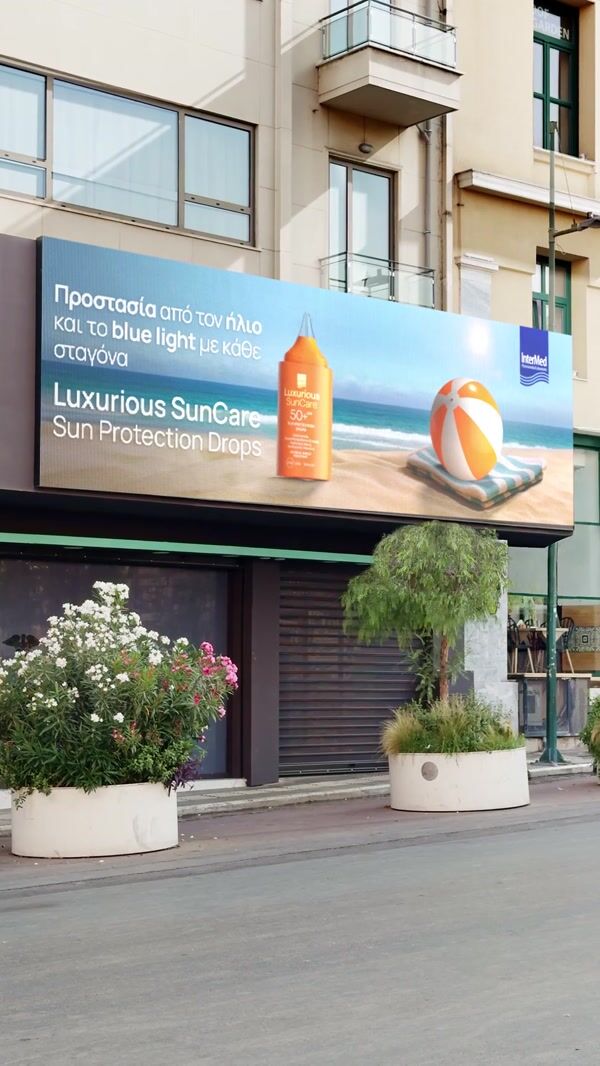

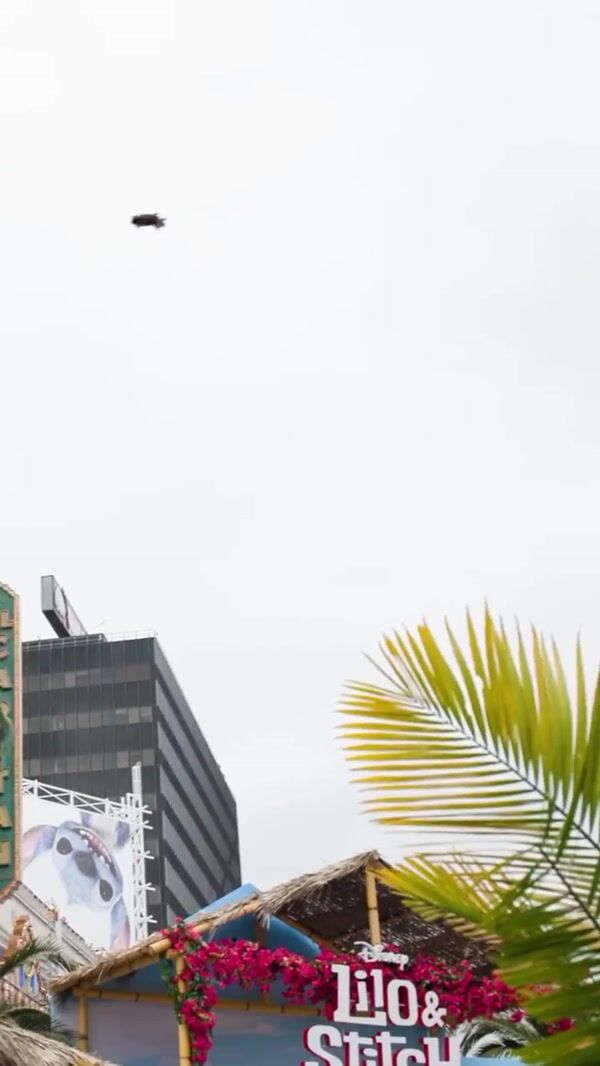

Digital screens, real-world impact
From the feed.
Into the city.
Discover the places your next idea could live.
167 screens across 71 cities.
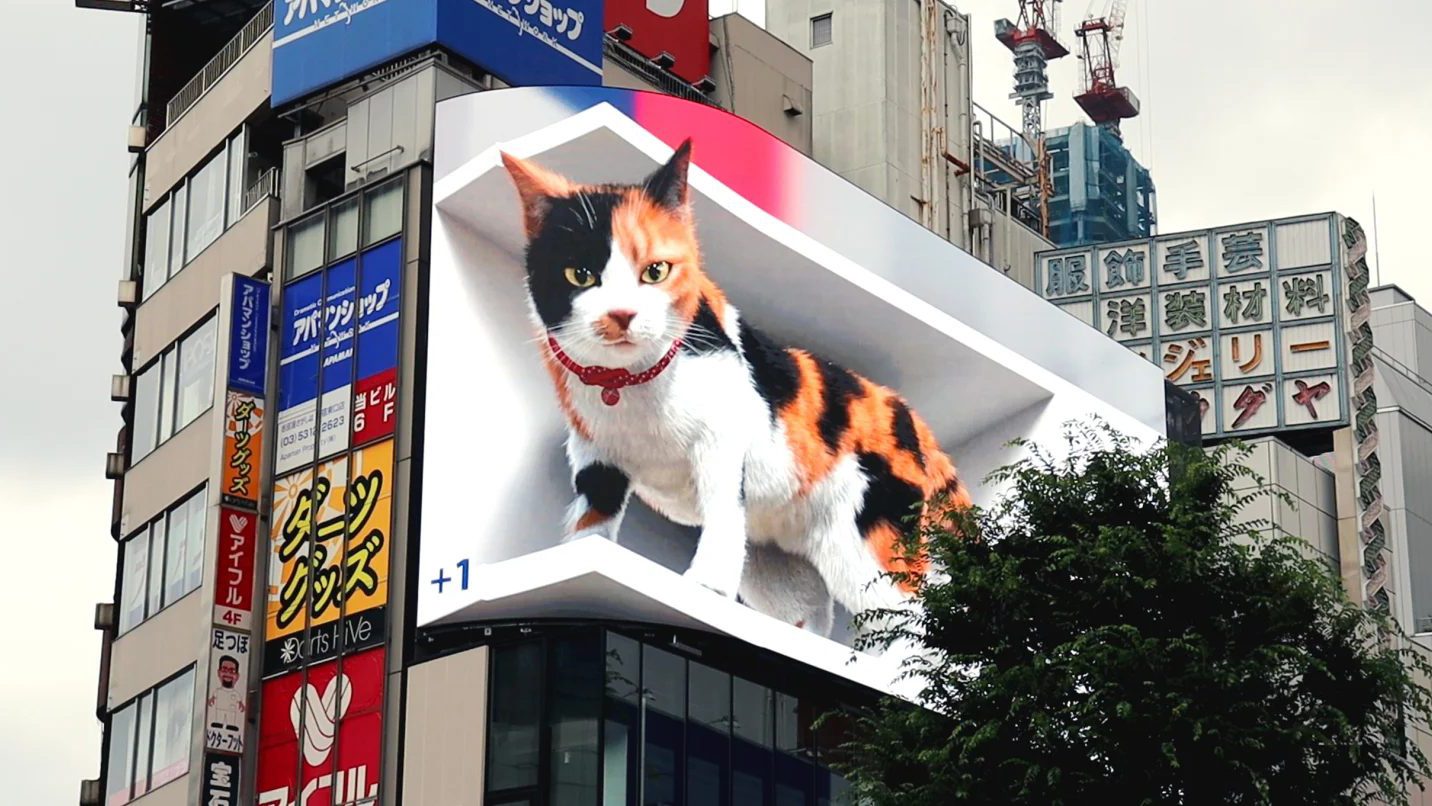
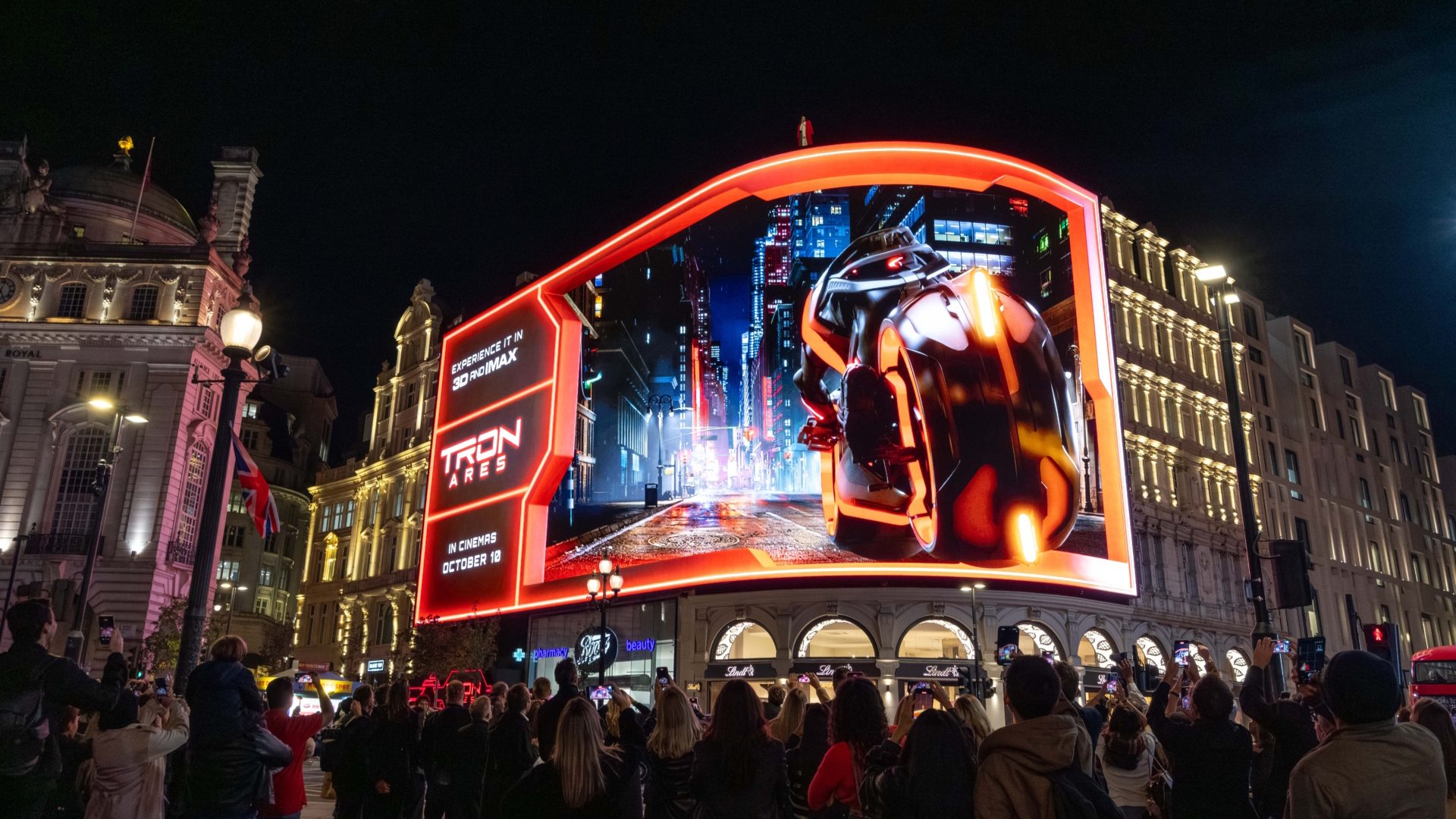
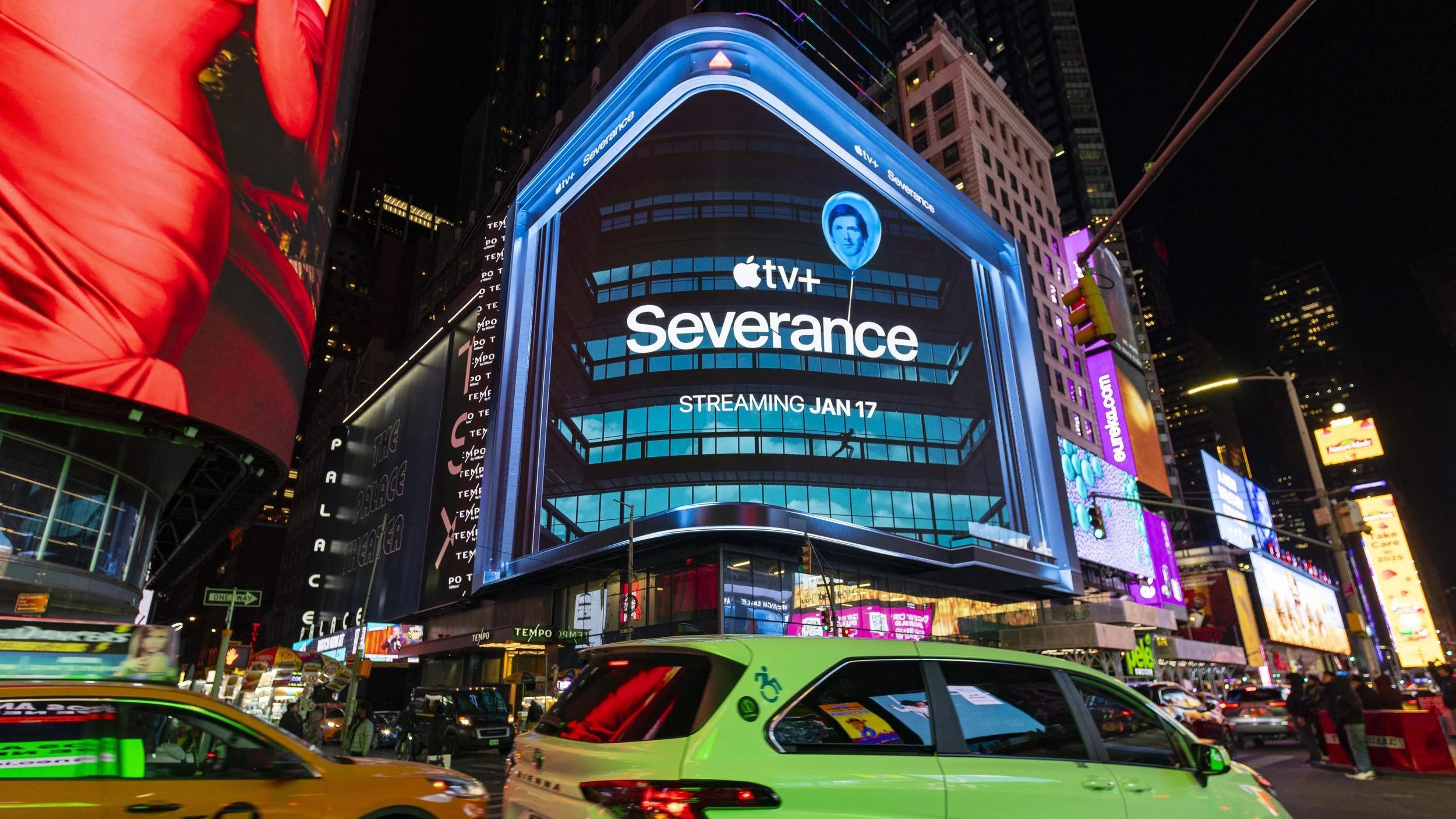
Explore by Industry
Browse top CGI & VFX work across every major industry. From automotive to beauty, find the creators and campaigns leading the space.

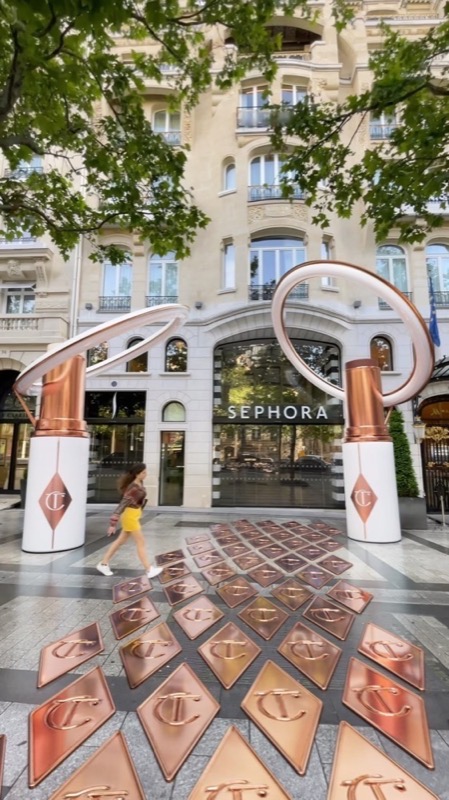
FAQ
What is FOOH?
How do I showcase my work on FOOH?
How do I find and hire talent?
What types of work are featured on FOOH?
What are the FOOH Awards?
Is FOOH free to use?
How does the concierge service work?
Trending Topics

What FOOH.com Is in 2026
FOOH.com is the social-first home for digital artists: CGI, VFX, 3D, 2D animation, AI video and mixed reality. What changed this year, and what is on it now.
Read more
HERMÈS, BVLGARI, PARFOIS: Meet Maria Francesca Melis, the illustrator every luxury brand is hiring right now
In this interview, Maria breaks down how she built an international illustration career, how clients started finding her, what helped her land major commercial projects, how she approaches pricing and licensing, and what she believes emerging illustrators should focus on if they want to make a living from their work.
Read more
How to build a 3D career that leads to Tomorrowland
Visual artist Lucifear shares how he built a career creating 3D stage visuals for electronic music artists, from learning 3D to working on productions at Tomorrowland.
Read more
How to Become an Art Director as a 3D Artist
Dong-Uk Kim on developing taste, moving beyond technical execution, and why strong creative direction matters more as 3D and AI evolve.
Read more
🏆 Best FOOH Ads of 2026: These are the FOOH Awards Winners
Discover all 21 winners of the FOOH Awards 2026 across seven categories. We break down the concepts behind each Gold-winning campaign.
Read more
Kaufland's "Ice Ice Baby": A Case for Hybrid AI Production
EASYdoesit combined real actors, physical production, and 23 AI-generated worlds to create Kaufland’s latest campaign. The result shows why hybrid AI production may be a stronger path forward than either fully traditional shoots or fully generated advertising.
Read more