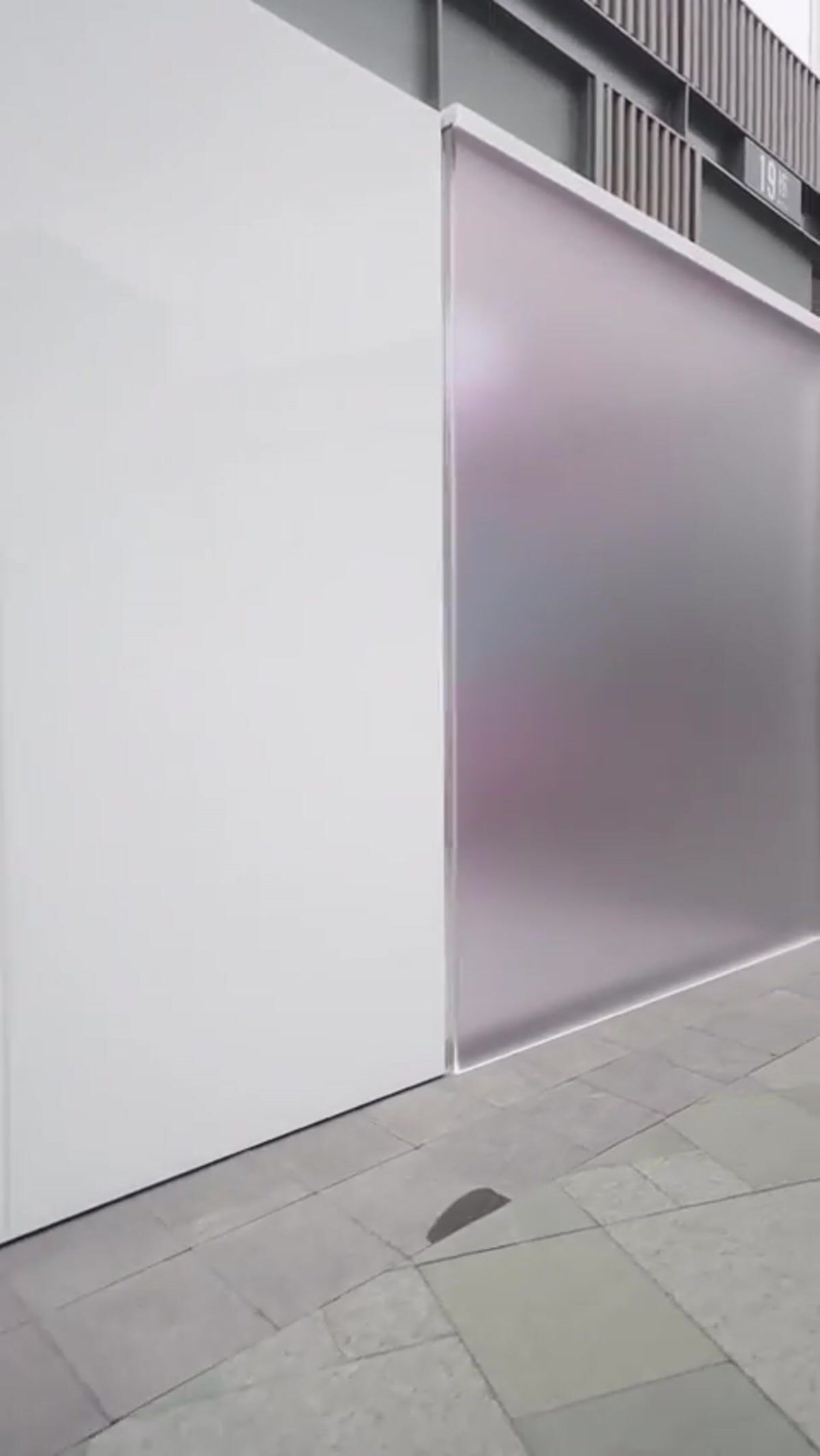
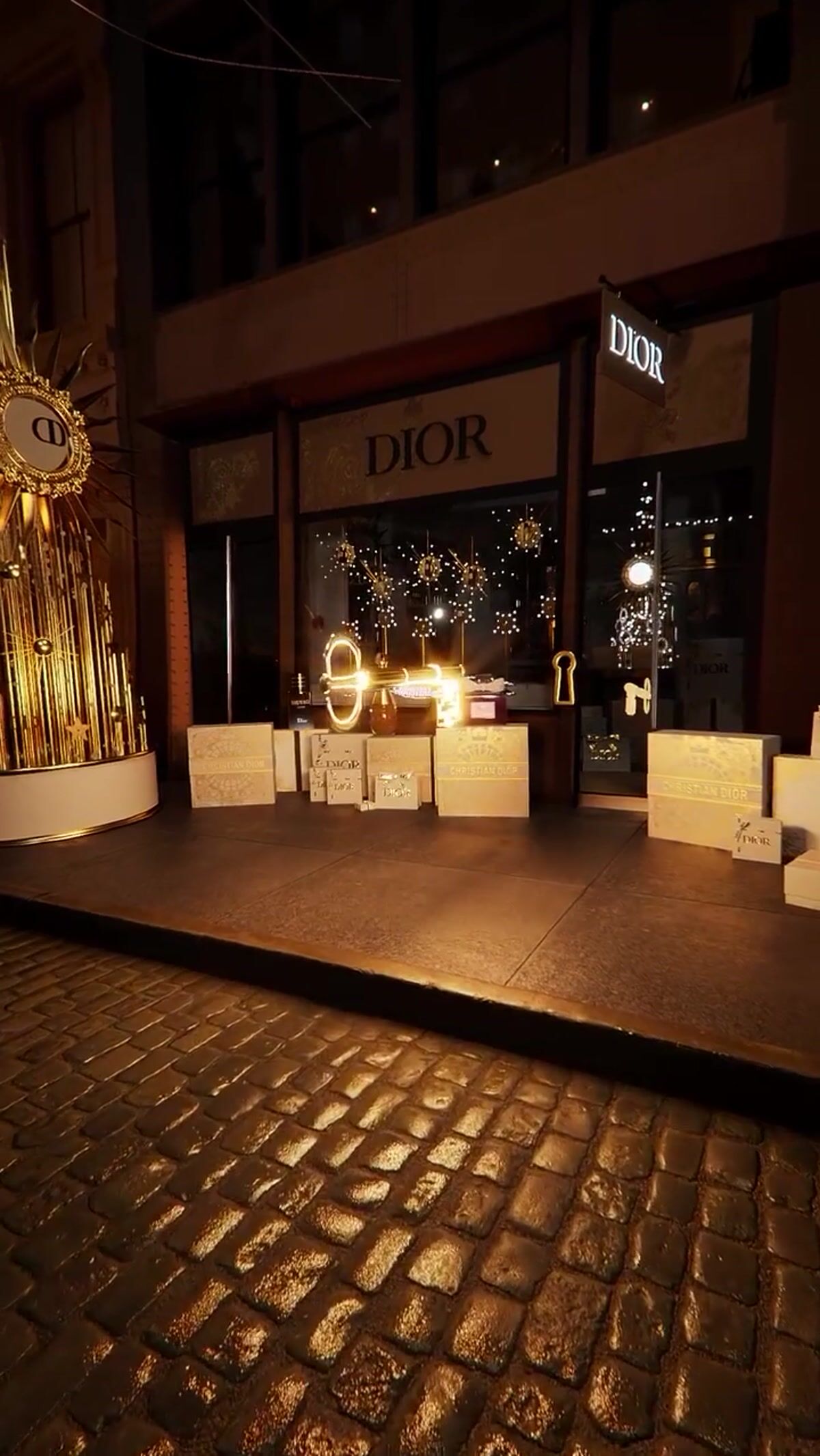
FOOH Creator Spotlight: Ilya Sigachev

The CGI artist has been building in 3D for around a decade, moving from commercial photography and concept visuals into motion and FOOH. His client work spans projects for Caesars Palace (including a Formula 1 activation) and ASUS ROG / ProArt, with earlier agency work connected to brands like Coca-Cola and UFC.
Inspiration is deliberately broad (film, music, comics, architecture, movement, the city), and when commercial projects get repetitive, switching tasks and hobbies is part of the process — not a distraction. The goal is to protect the “fun” of making, because that’s where the most authentic ideas come from.
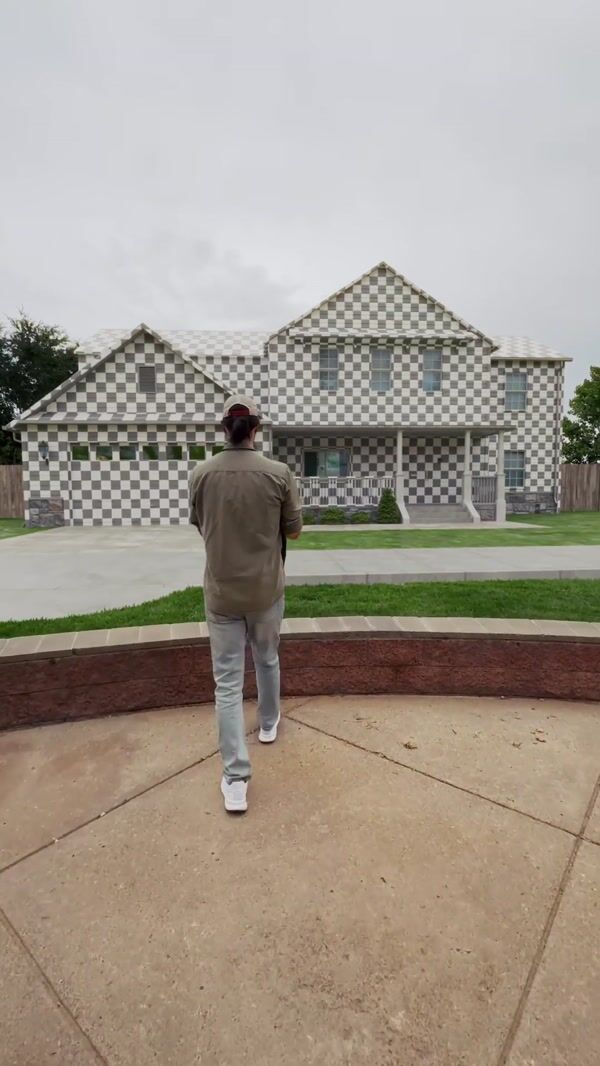
And he’s also clear-eyed about where things are heading for tech in 2026: AI can speed up concepts and asset building, but it doesn’t replace taste, direction, or the physical logic that makes FOOH believable.
For him, the next step for FOOH isn’t more of the same — it’s evolving the visual language.
How did you get started in FOOH/CGI? What was your first FOOH project?
I got into CGI long before FOOH even became recognized as a format. I began in commercial photography and concept visuals for games and films, where CGI naturally became part of my workflow. Over time I shifted into motion, creating full CGI videos. I've been working in 3D for around 10 years, and my transition into FOOH happened gradually through experimentation.
What was your biggest or most significant project so far?
One of my most visible FOOH videos was shot in Las Vegas for July 4th — a massive truck transporting oversized firework shells. It received nearly 2 million views.
Commercially, I've worked on projects for Caesars Palace (Formula 1 activation), ASUS ROG, ProArt, and previously for brands including Coca-Cola and UFC through agency work. There are many standout projects — difficult to choose one.
How do most new clients find you?
Mostly through social media and viral reach. Agencies also come in when they need high-concept CGI or FOOH work. Online visibility drives trust, and recommendation chains expand from there.
Which tools and software do you use for CGI?
My main tool is Blender. I also work in Unreal Engine for real-time environments, DaVinci Resolve for color and finalizing, and can use After Effects, Substance Painter, Marvelous Designer, and others depending on the project.
How do you stay authentic and relatable as digital platforms evolve?
I make what I enjoy. Staying curious, experimenting, and learning new tools keeps the work alive. Creativity and commercial tasks need balance — passion is what makes authenticity natural.
Have you experimented with AI tools in your workflow?
Yes — I use AI frequently, especially for concept development. It allows me to present ideas faster, which is critical in commercial production. One of the most practical AI uses right now is rapid model generation for complex assets.
Do you think AI will play a bigger role in CGI/FOOH in the next 1–2 years?
The industry evolves rapidly. AI and CGI are different disciplines, but together they amplify each other. As AI tools grow more powerful, visual production becomes more accessible, yet artistry and direction remain essential.
How do you stay inspired between commercial projects?
Inspiration comes from everywhere — film, music, comics, architecture, movement, and the city. I also switch tasks and hobbies to refresh my mind. Enjoying the process is the core.
What do people often misunderstand about FOOH?
Many see FOOH as just CGI over footage. In reality, it requires physical logic, scale, lighting, camera integration, and realism. The illusion works only when the viewer believes it could be happening in real life.
Where do you see the biggest challenge for creative studios today?
The pressure to deliver high-quality work quickly is increasing. Clients want originality, speed, and virality — all at once. Balancing creativity with production limitations is a major challenge.
Have client expectations changed in 2025?
Yes. AI made brands more experimental, but also more cost-focused. Sometimes clients attempt
AI-generated visuals first, but limitations appear — and we must explain why CGI and human direction remain crucial.
If you could collaborate with any brand or IP tomorrow, who would it be?
Air Jordan. It's at the top of my personal list — I'd love to create a bold, cinematic commercial that reflects movement, culture, and design.
How do you see FOOH evolving next year?
We’re at a turning point. The format needs evolution — new branches, new visual language. This year is about discovering the next version of FOOH.
What advice would you give brands and creators trying to stand out?
Many repeat what's trending — and it works commercially. But originality is what separates you. Don't just replicate — explore, experiment, and bring something new. Fresh
Get CGI & VFX insights delivered to your inbox
Free. Weekly. No fluff.