Fake Out of Home Advertising by Industry

Fake Out of Home (FOOH) advertising is changing how brands across different industries show up online. As audiences scroll past thousands of ads every day, brands are turning to formats that feel native to how content is consumed now.
In 2025, short-form video accounted for over half of all social media engagement, and most users decide whether to keep watching a video within the first 1-3 seconds. At the same time, people are exposed to thousands of ads per day, which makes anything that looks or feels like a traditional ad easy to ignore.
If you want a broader overview of how FOOH works, start with our Fake Out of Home advertising guide here.
FOOH fits neatly into this environment. It’s built for fast consumption, relies on immediate visual recognition, and works without sound, explanation, or context.
Below is a breakdown of why different industries keep returning to the format, and how they tend to use it.
Why FOOH Works Across So Many Industries
1. Short-form video is where attention already is
Last year, short-form content made up roughly 63% of total social engagement, driven mainly by TikTok, Instagram Reels, and YouTube Shorts. These platforms reward content that delivers a clear visual idea immediately, without relying on captions or setup.
FOOH ads are usually 8-15 seconds long and designed around a single visual moment, which aligns well with how these feeds are ranked and consumed.
2. Native look, lower resistance
Viewers increasingly engage with content that looks like it belongs on the platform. Short-form video now influences product discovery for 37% consumers, particularly younger audiences, who often prefer video over written reviews or banner ads.
FOOH ads blend into feeds more naturally than polished commercials, which reduces the instinct to skip or scroll past.
3. Easy to adapt across categories
FOOH doesn’t depend on a specific product type. Sports and recreation, for example, which used the most FOOH ads in 2025, uses motion and environment. Fashion can use it to exaggerate scale or styling. Food and beverage can lean into playful visuals. Entertainment can use spectacle and surprise.
The short-form format stays consistent, while the execution can change depending on what the industry wants to emphasize.
4. Designed for organic reach
A good FOOH video reached around 184,000 views at the median, largely through organic distribution. Even as total production volume dipped slightly from 2024, engagement benchmarks remained strong, suggesting the format has stabilized rather than burned out.
This makes FOOH attractive to industries that want visibility without relying entirely on paid media.
For more detail on city-level performance and trends, see the Free FOOH Report 2026.
Fashion & Apparel
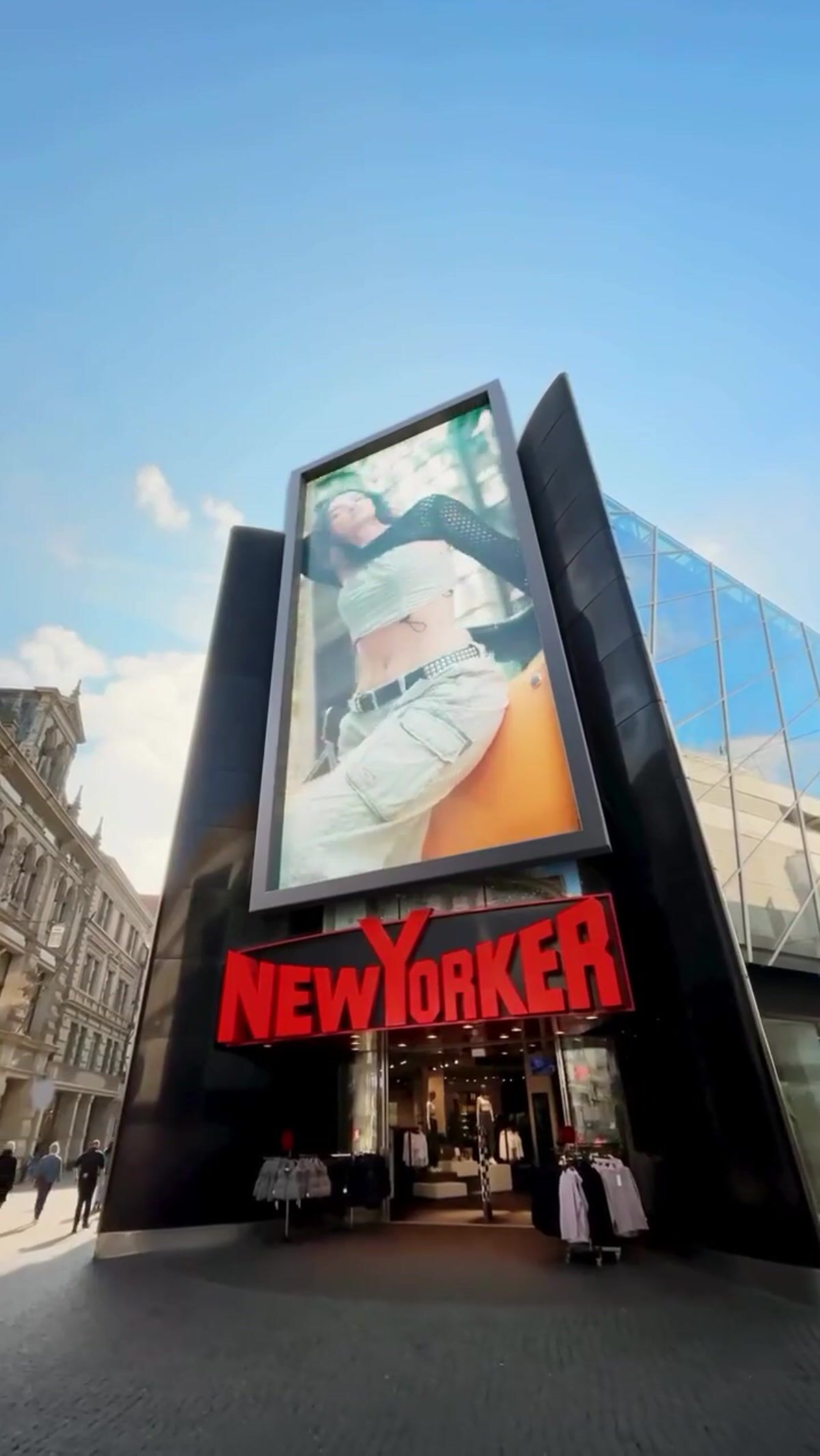
Fashion brands were among the earliest adopters of FOOH, and they remain some of the most consistent users. The format works well here because fashion already trades on visual impact, symbolism, and aspiration rather than literal explanation.
These ads tend to function less like direct promotions and more like visual statements that prompt saves, shares, and conversation.
14 Best Fashion & Apparel FOOH Ads
Food & Beverage
Food and beverage campaigns usually lean into immediacy. Giant products, familiar ingredients placed in public spaces, or drinks interacting with the environment are easy to understand at a glance.
The concepts are rarely subtle, but that’s the point: the quicker the visual reads, the more likely it is to hold attention.
10 Best Food & Beverage FOOH Ads (2026 Update
Automotive
Automotive campaigns often center on movement and presence. Cars appear in city environments doing things that would be impractical or impossible to film, allowing brands to emphasize design, performance, or scale without traditional production constraints.
Porsche and Lamborghini’s Latest Ads Are Fake – And That’s What Makes Them Go Viral
Entertainment & Media
Studios and streaming platforms can use fake out of home to extend attention beyond trailers and posters.This works particularly well for franchises with built-in audiences, where recognition does most of the work.
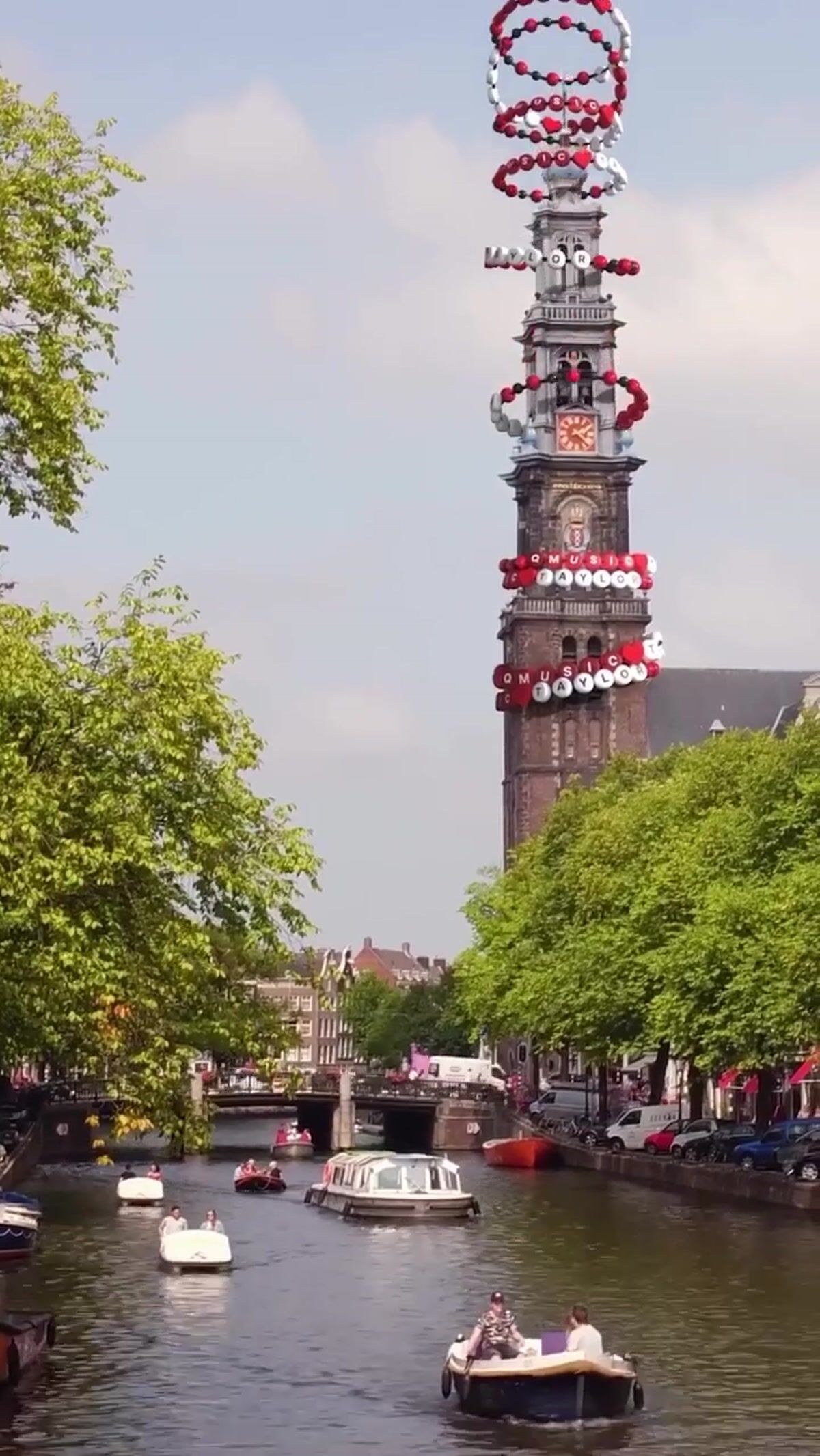
Fans already understand the world and the FOOH execution simply places it somewhere unexpected. Many of these campaigns are tied closely to launches, premieres, or cultural moments.
How FOOH is Changing Movie Marketing – Lessons from Viral Campaigns
Beauty & Personal Care
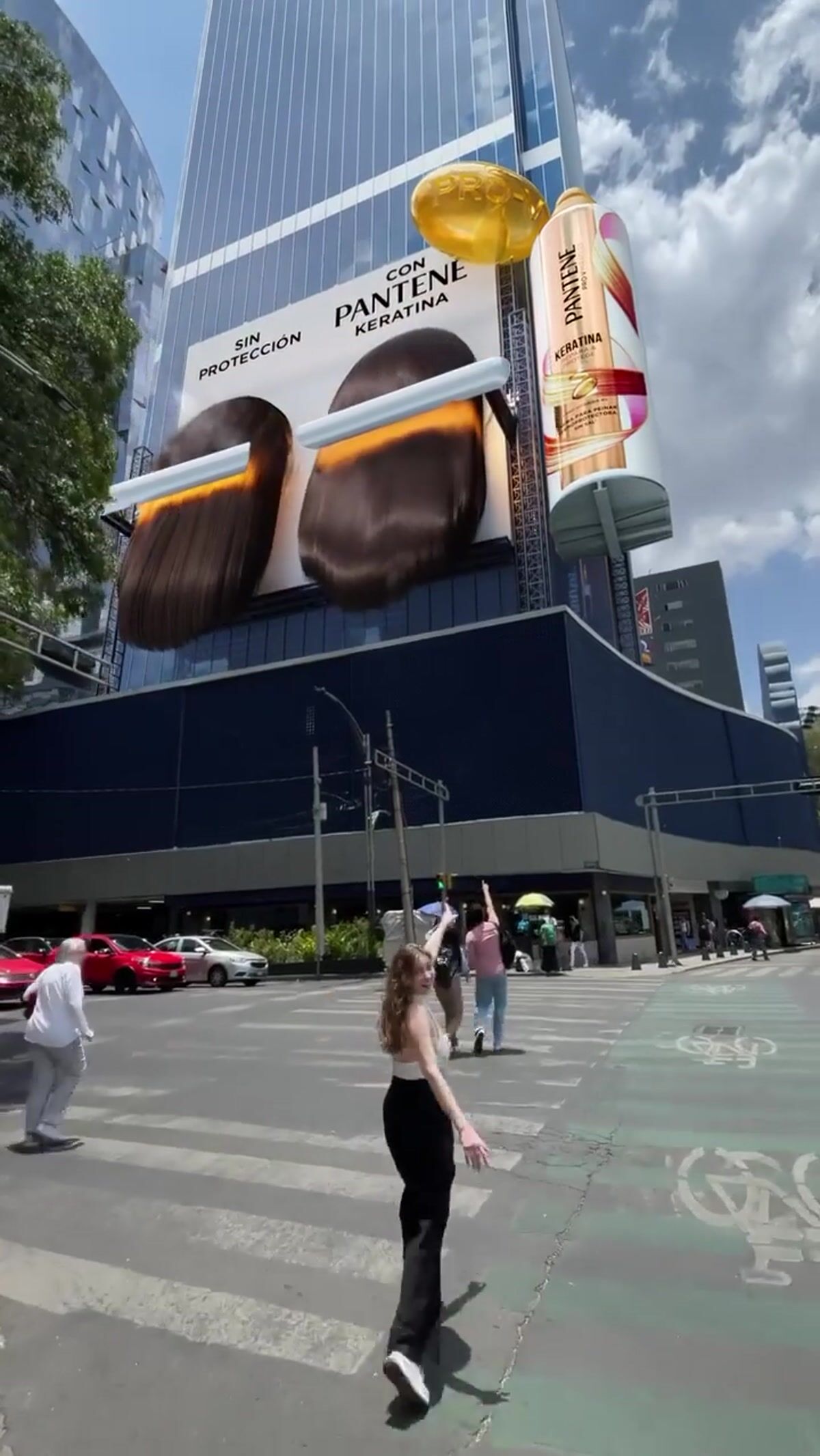
Beauty brands often use FOOH to dramatize outcomes. Instead of listing benefits, campaigns show exaggerated visual results. And this approach suits a category where before-and-after logic is already familiar, but attention spans are short.
FOOH also gives beauty brands a way to stand out without relying solely on influencers or tutorials.
Beauty & Personal Care FOOH Ads: 11 Best Examples
FOOH by Industry vs. FOOH by City
Industry explains the motivation behind a FOOH ad, what the brand is trying to communicate. City explains the context where that idea makes sense visually.
Some industries repeatedly show up in certain locations because the environment supports the story they want to tell. Others are more flexible, using cities mainly as recognizable backdrops rather than narrative drivers.
If you want to explore how location shapes these campaigns, you can read our city-based breakdown here: Fake Out of Home Advertising by City
Final Thoughts
There isn’t a single “FOOH formula” that works across every industry. The format adapts to what each category needs: quick recognition, visual explanation, cultural relevance, or launch momentum.
As more campaigns roll out, patterns are becoming clearer: some industries rely on scale, others on familiarity, others on timing or cultural relevance. We’ll keep updating this page as new examples emerge, focusing on what each industry is actually doing with the format, not just that they’re using it.
Get CGI & VFX insights delivered to your inbox
Free. Weekly. No fluff.