Fake Out of Home Advertising by City

Fake Out of Home (FOOH) advertising has a special relationship with cities worldwide. Using major cities as backdrops make FOOH ads feel familiar and that familiarity is exactly what makes them more likely to be shared.
People are exposed to an average of 6,000 to 10,000 ads a day, so when an ad shows up in a place they instantly recognize, it cuts through the noise. A giant product hovering over a skyline or a character interacting with a famous building grabs attention because viewers already know the setting.
That familiarity is what makes viewers stop and think:
"Wait… is this real?"
If you’re new to the format, our guide breaks down how these campaigns work, why they spread so fast, and what separates strong executions from forgettable ones.
In this guide, we’re breaking down how FOOH ads show up across different cities, and why location plays such a big role in making these campaigns go viral.
4 Reasons Why Cities Work So Well for FOOH Ads
Cities offer a four main advantages when it comes to Fake Out of Home advertising:
1. Instant recognizability
Well-known landmarks and city skylines instantly ground a FOOH ad in reality. Content studies consistently show that people decide whether to keep watching a video within the first 1–3 seconds, and recognizable locations help win that moment.
When viewers immediately know where they are, the illusion feels more believable, even when the scenario itself is impossible.
2. Built-in scale
Cities naturally provide scale. Skyscrapers, wide streets, bridges, and public squares give FOOH ads a sense of size that’s hard to replicate elsewhere. This large-scale study, for example, found that video context and content characteristics strongly predict engagement and watch time, supporting the idea that attention-grabbing formats increase retention, especially on platforms like Instagram and TikTok where visual impact matters most.
3. Cultural context
Every city carries its own cultural identity, and FOOH ads can tap into that. Location-based content often performs better because it feels relevant and intentional rather than generic. In marketing research, localized campaigns have been shown to drive significantly higher engagement rates compared to non-localized ones, even when the creative concept is similar.
4. Social shareability
People love seeing familiar places reimagined in unexpected ways. Social content that triggers recognition or personal connection is far more likely to be shared, and city-based FOOH ads do exactly that. Viewers are more inclined to tag friends, comment, or repost when the setting is somewhere they know, have visited, or aspire to visit.
Because FOOH ads live on social media, using a recognizable city helps the illusion land within the first second of the video, which is crucial for stopping the scroll.
Popular Cities Used in FOOH Advertising
Over time, certain cities have become repeat stars in Fake Out of Home campaigns due to their architecture, cultural relevance, or global visibility.
But in 2025, performance started to matter more than sheer volume.
While Paris remains the historical leader in total FOOH output, it’s no longer a guaranteed shortcut to virality. New York and Dubai now lead on performance volume, overtaking Paris as the cities where FOOH videos are most likely to gain traction.
This shift suggests that audiences are currently responding more strongly to fresher urban backdrops and evolving city narratives, rather than relying solely on the world’s most familiar landmarks.
For a deeper breakdown of city performance, view counts, and broader format trends, you can explore the Free FOOH Report 2026.
Here are some of the cities we’ve covered so far:
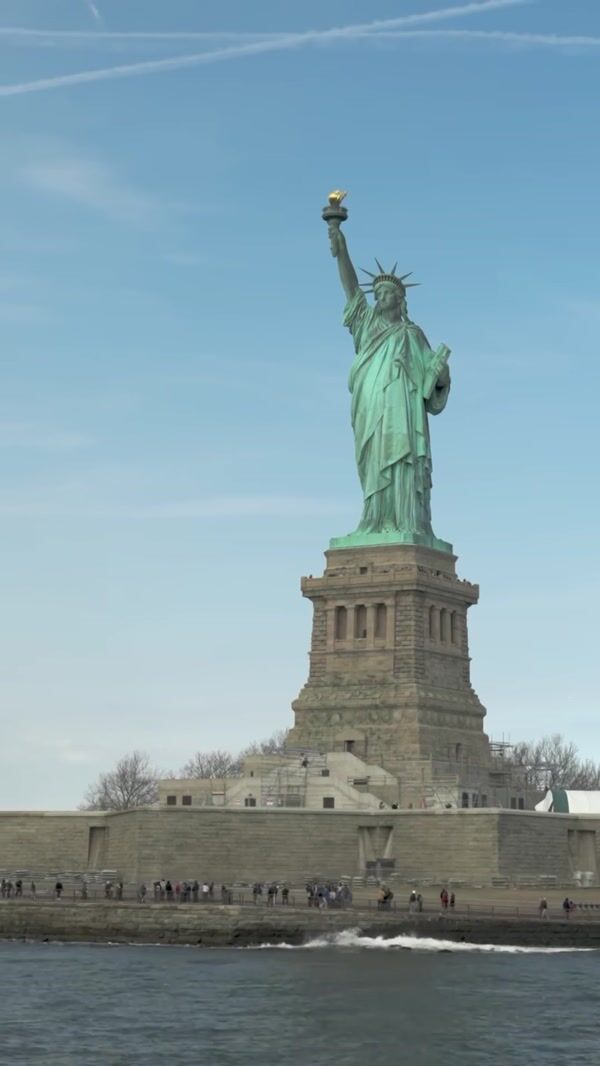
New York
FOOH ads in New York usually lean into density and pace. Crowded streets, stacked signage, and constant movement make quick, high-impact visuals feel natural, as if the city itself is part of the ad.
Dubai
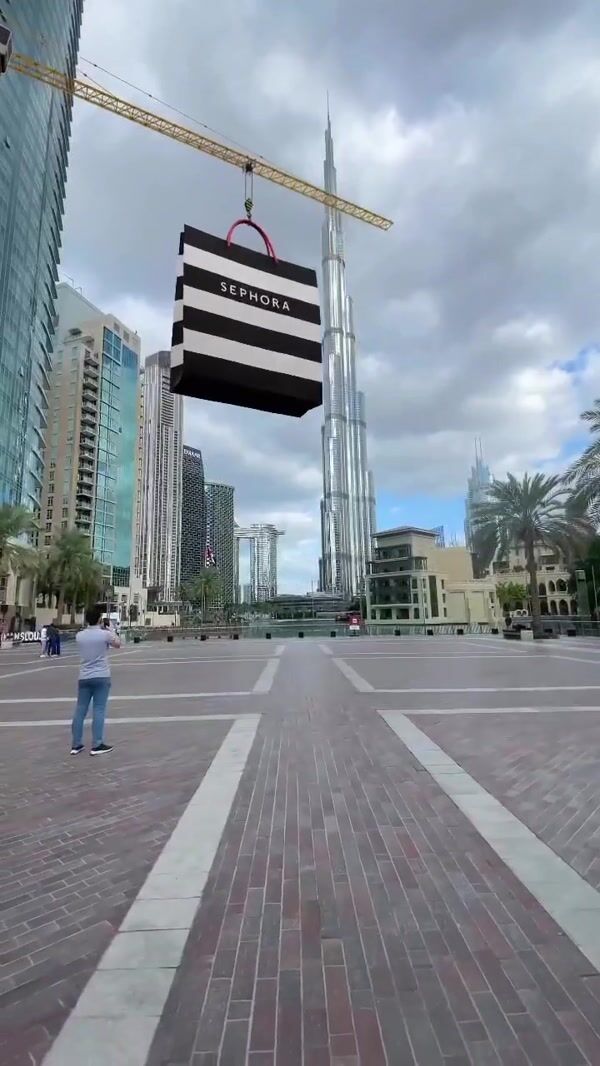
Dubai is used when brands want to push scale and spectacle. Tall skylines, wide roads, and futuristic architecture make extreme visuals feel believable within the city’s existing reputation for excess and ambition.
London
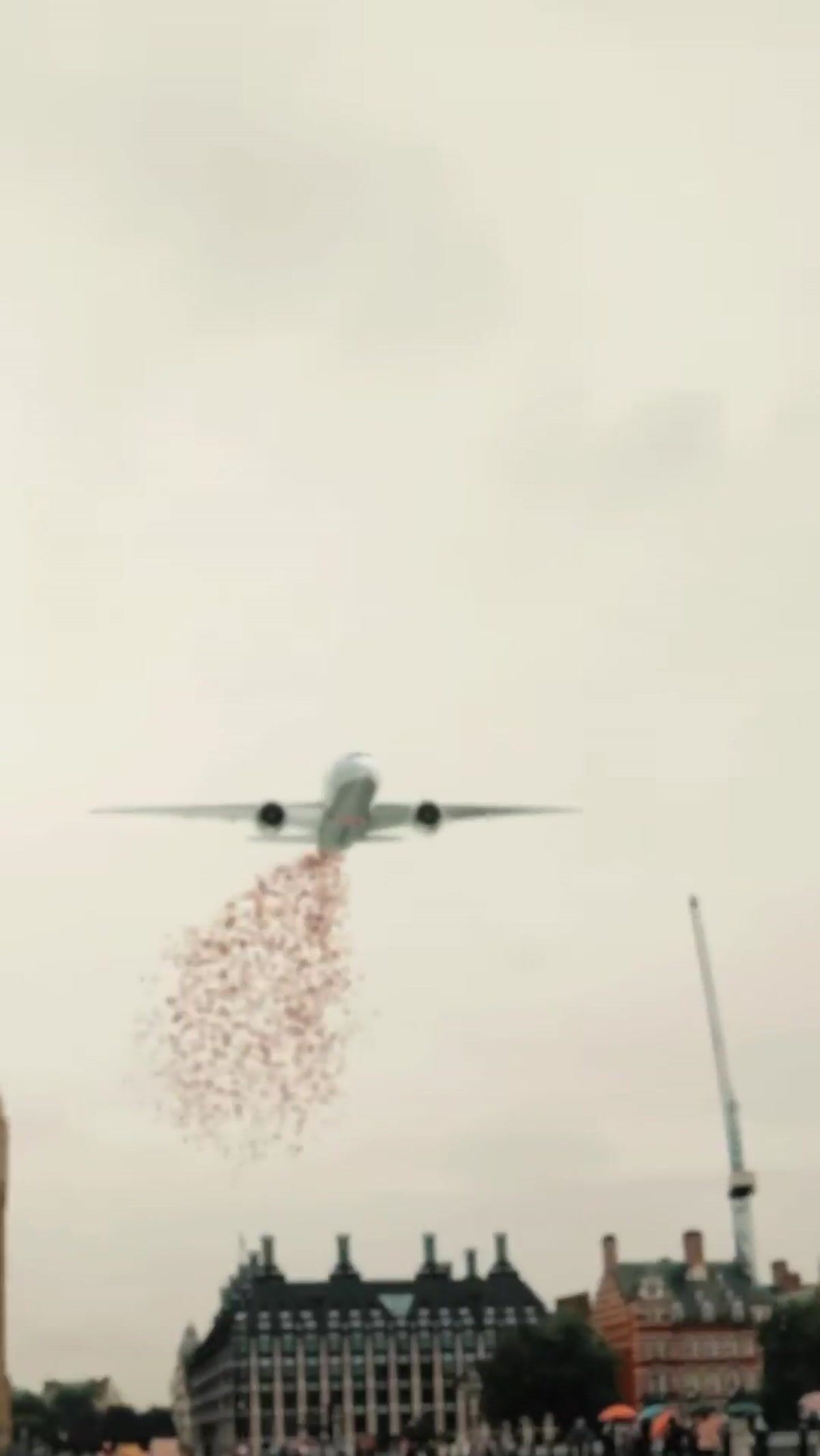
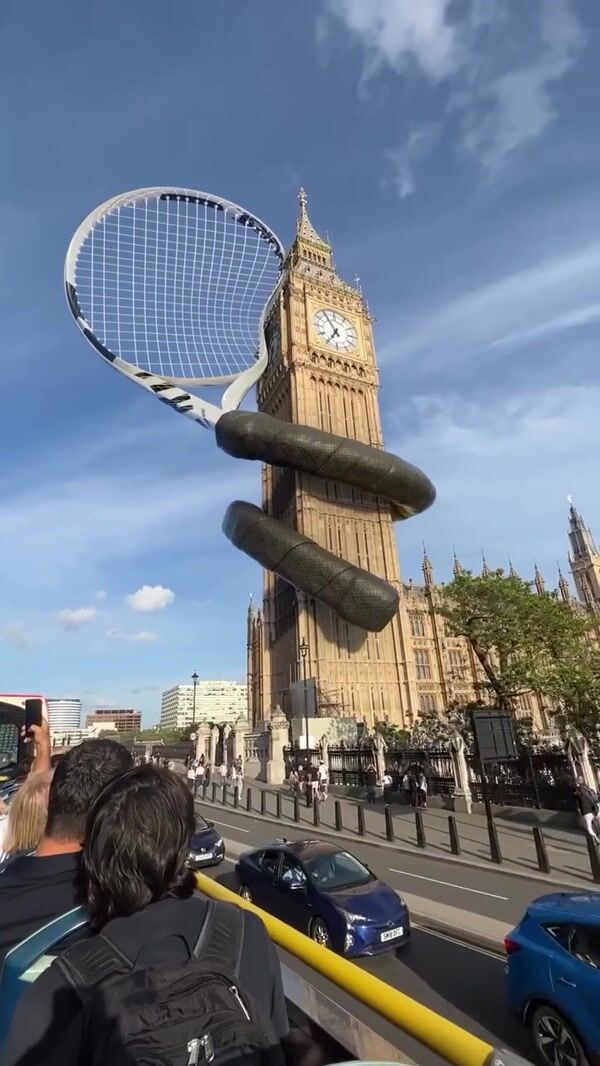
London works well for FOOH because even small details: red buses, historic facades, familiar bridges, are instantly recognizable. Brands often use this familiarity to ground surreal ideas in everyday city life, making the illusion feel plausible rather than overproduced.
Berlin
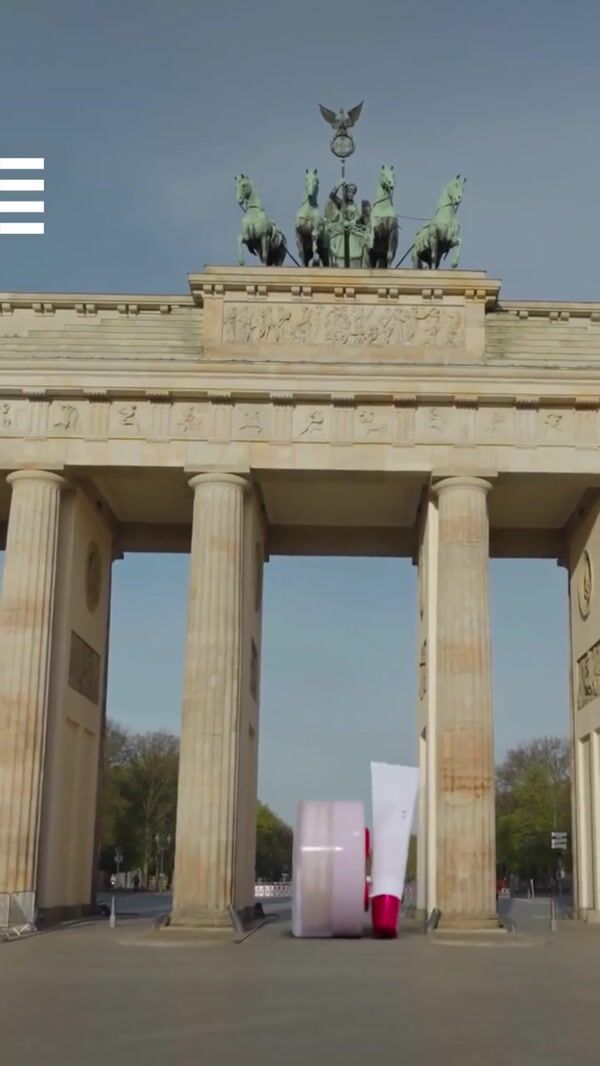
Berlin is often used for cleaner, more architectural mixed reality ads. Wide streets, modern buildings, and open public spaces give brands room to place CGI elements, which helps the illusion read better.
Tokyo
Tokyo’s massive screens, dense neighborhoods, and already-digital look make FOOH feel right at home. Viewers are used to seeing animated billboards and bold visuals, so CGI elements blend naturally into the city rather than standing out as “fake”.

 Gesture Systems
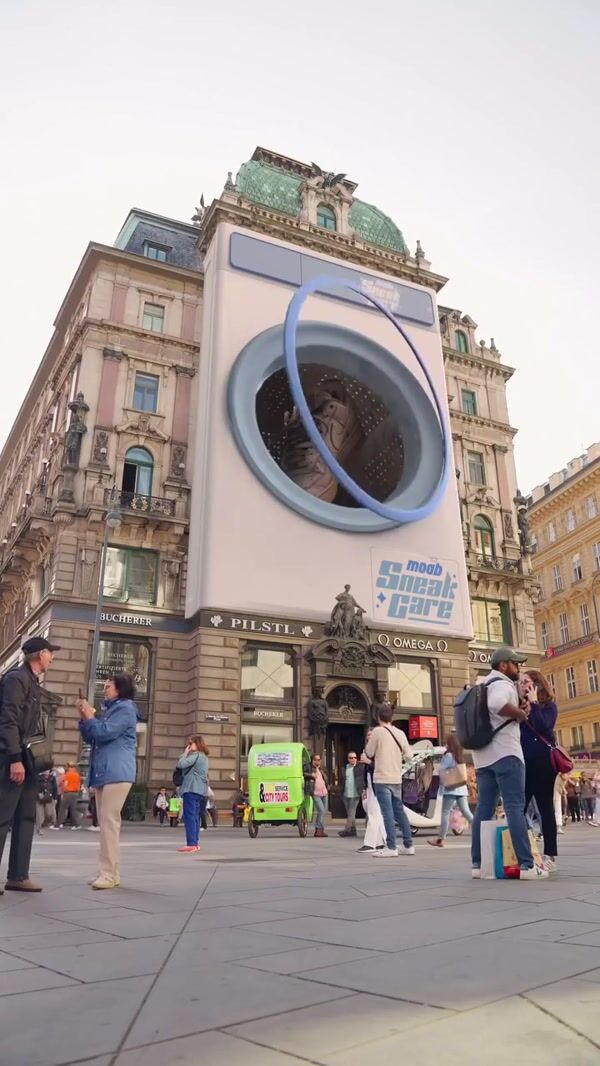
Vienna
Vienna FOOH campaigns often rely on contrast. Classical buildings and symmetrical streets make modern or surreal elements stand out more clearly, which heightens the "this doesn’t belong here" effect that drives engagement.
 The Guardians of Social Media
Sydney
Sydney’s appeal comes from space and scenery. Waterfront views, open skylines, and strong daylight conditions make it easier to integrate CGI elements cleanly, without the scene feeling overcrowded.
 Staff Pick
 Day Five
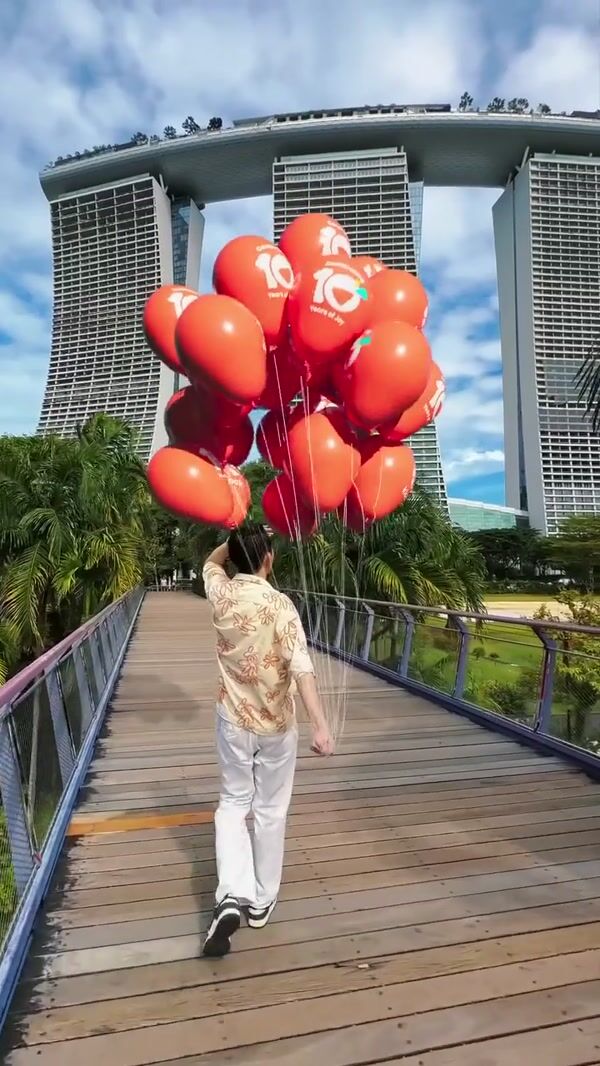
Singapore
Singapore’s highly controlled, modern cityscape helps FOOH ads look seamless. Clean lines, glass buildings, and orderly streets reduce visual noise, making even subtle CGI elements easier to believe.
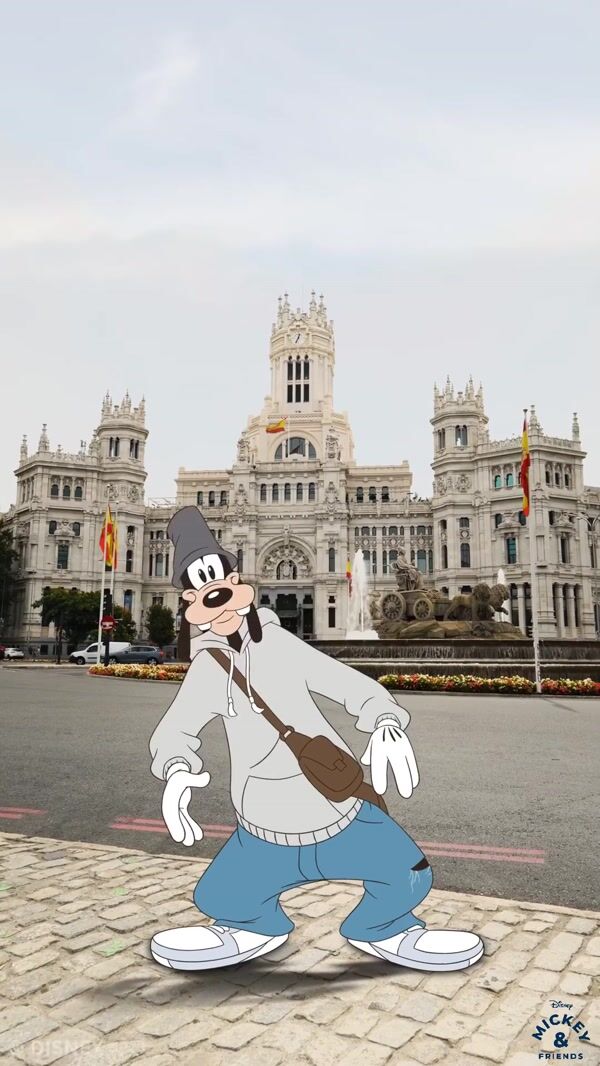
Spain
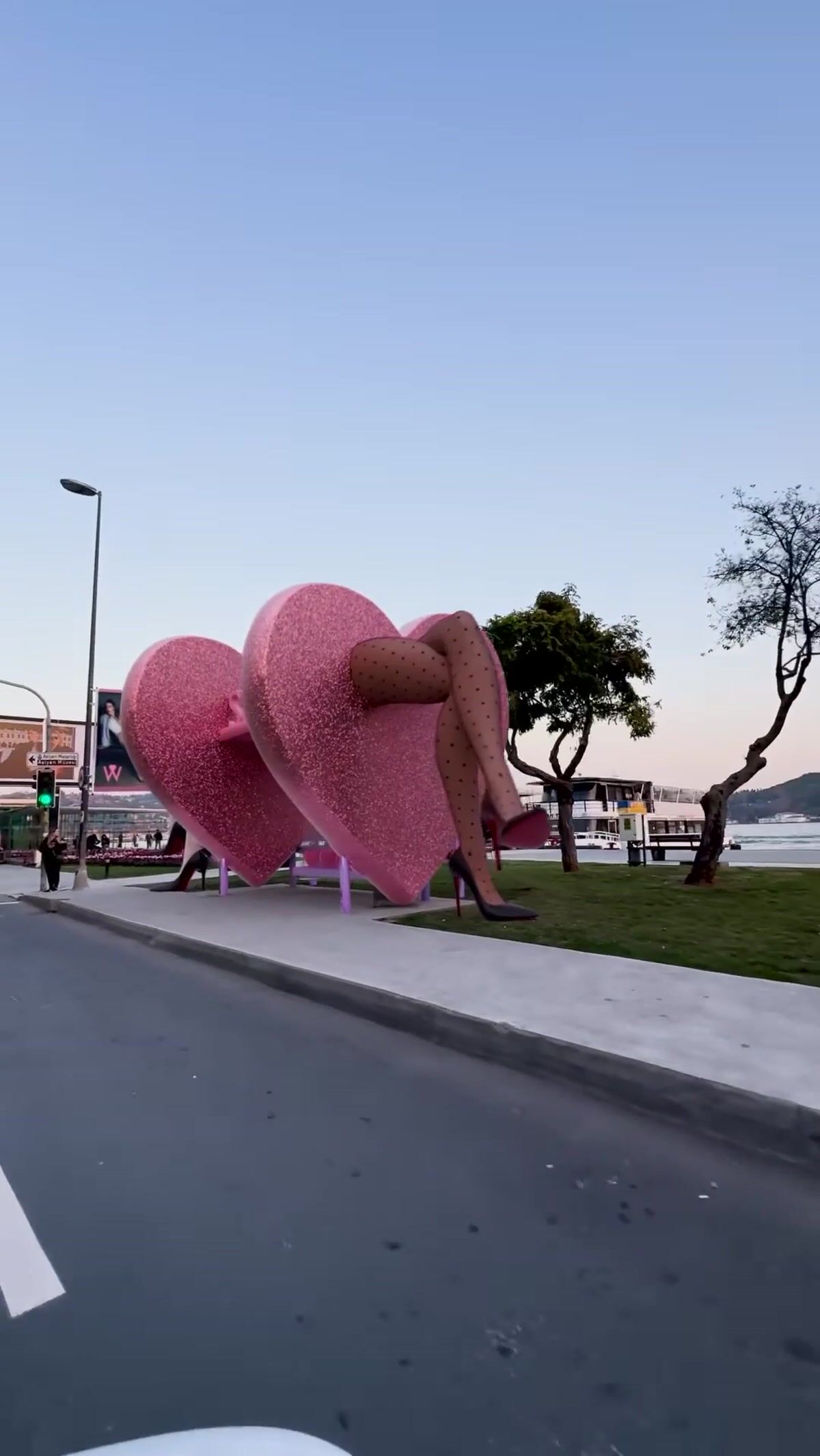
FOOH ads in Spain often feel more relaxed and playful. Sunlit streets, coastal cities, and lively public spaces give brands flexibility to experiment with concepts that feel spontaneous rather than overly polished.
 muchobambū
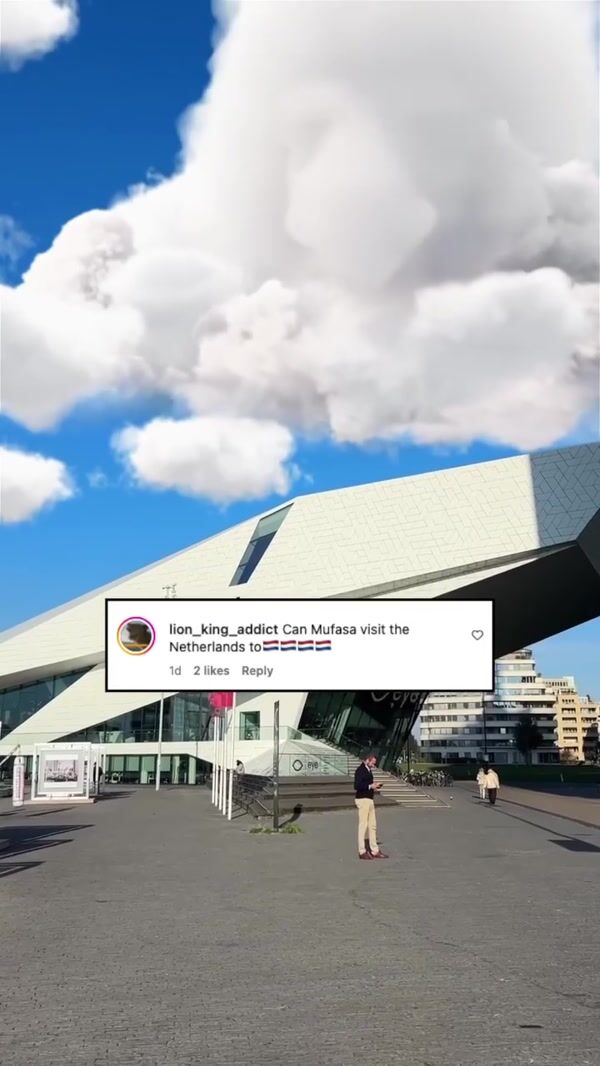
The Netherlands
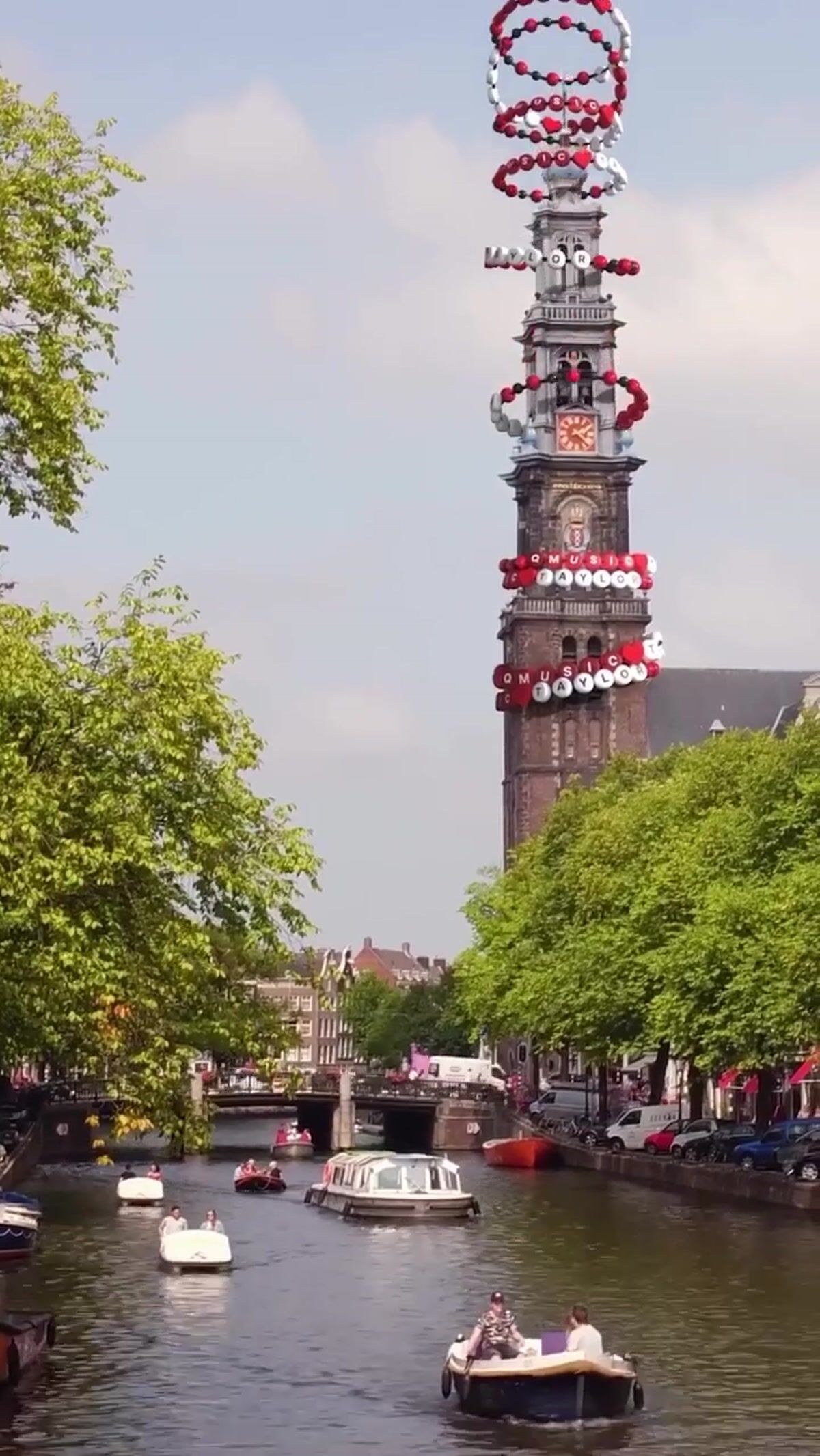
The Netherlands is frequently used for minimal, concept-driven fake out of home. Flat landscapes, simple architecture, and calm urban scenes help draw attention directly to the concept, without the background competing for attention.
FOOH by City vs. FOOH by Industry
While cities define where a FOOH ad takes place, industries define why it exists.
If you’re more interested in how different industries use Fake Out of Home advertising, from fashion to food & beverage, check out our dedicated industry breakdown here: Fake Out of Home Advertising by Industry
Final Thoughts
City-based FOOH ads work because people recognize the place before they even register the brand. A familiar street or skyline makes the illusion easier to buy, and that split second of "wait, I know this place" is often what makes someone stop scrolling.
We’ll keep updating this page as more city-focused FOOH campaigns go live, linking out to the strongest examples and breaking down why certain locations keep showing up again and again.
Get CGI & VFX insights delivered to your inbox
Free. Weekly. No fluff.