FOOH Creator Spotlight: Day Five

Meet day five, the Australian creative studio bringing cinematic thinking into modern brand communication.
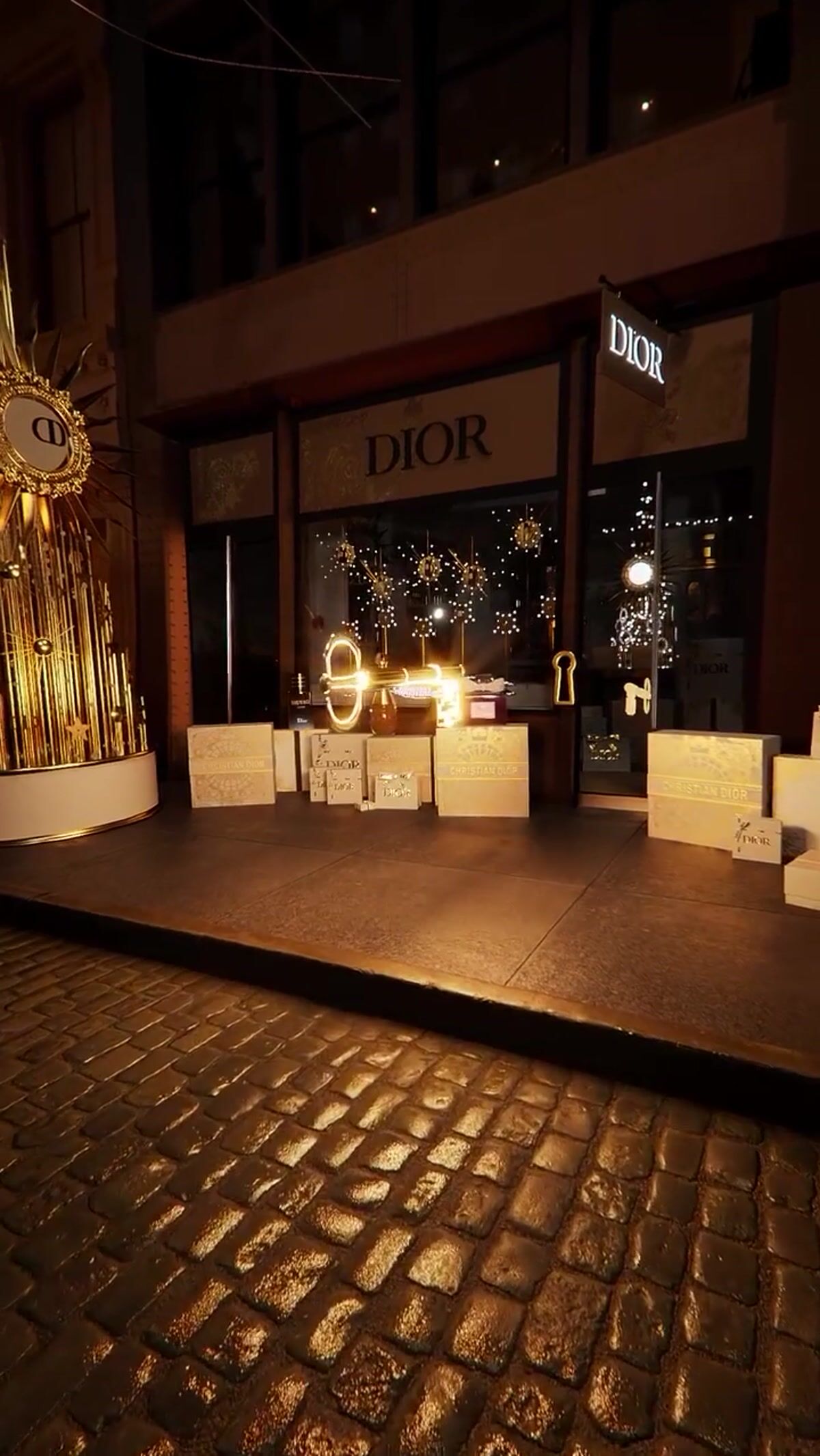
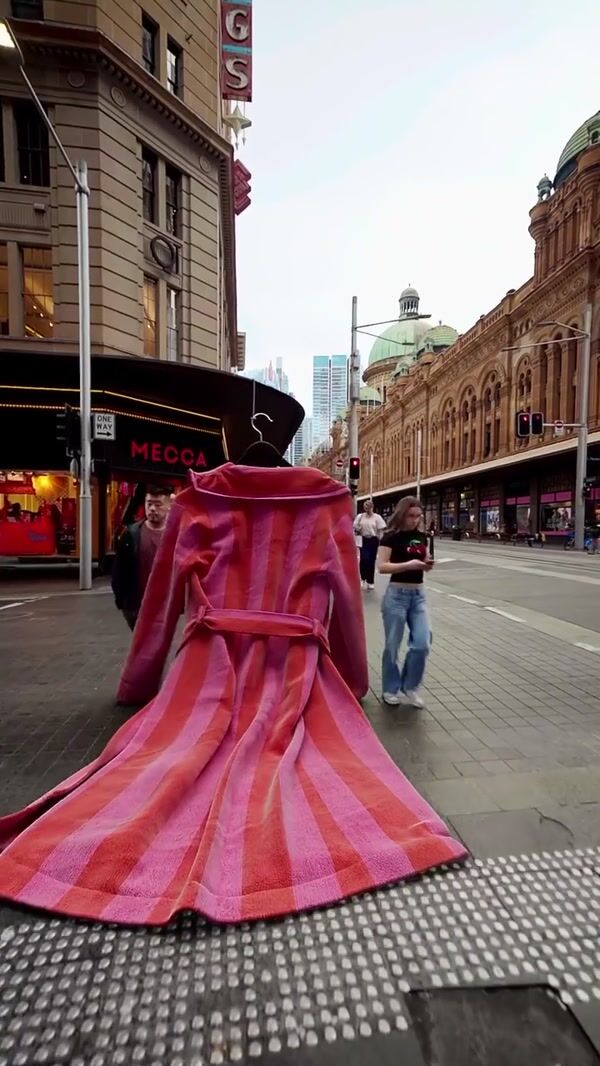
The studio’s breakthrough came when they started blending real-world footage with CGI in unexpected locations, unlocking a style of FOOH that feels grounded, intentional, and story-led. That approach has led to major collaborations with Dior and LVMH, and viral moments like their Bondi Beach perfume activation with nearly 20M organic views.
day Five is also refreshingly clear-eyed about AI: useful in pre-production and technical tasks, but never a replacement for art direction, storytelling, or creative control.
In our full interview, they share how their workflows evolved, why authenticity matters more than ever in 2025, and what brands still misunderstand about FOOH.
 Day Five
Interview Q&A
How did you get started in FOOH/CGI? What was your first FOOH project?
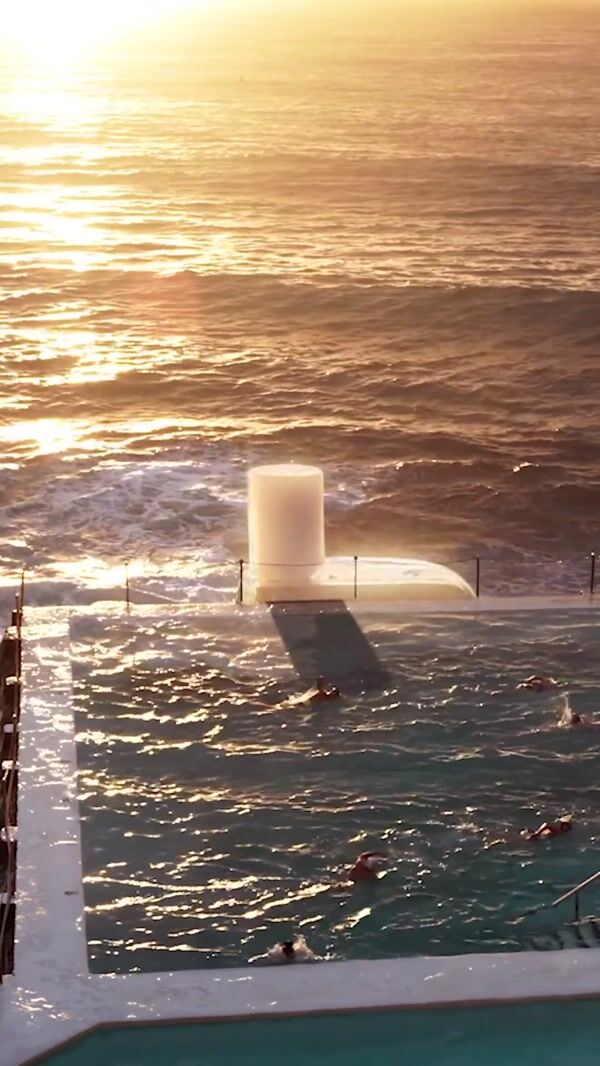
Before starting Day Five, Our creative director Zak spent almost a decade in the film industry, working under the Disney umbrella at Industrial Light & Magic. His first projects included Star Wars Episode 8, back in London. When he founded Day Five, we initially focused on product rendering, then evolved into satisfying, fully digital animated renders. Our first FOOH project was with Ultra Violette, an Australian skincare brand, where we created a giant floating SPF bottle drifting in the ocean. By capturing real live action footage and blending it with 3D animation in familiar environments, we discovered how placing products in unexpected contexts unlocked endless creative possibilities. It sparked something for us, and we haven’t stopped since.
What was your biggest project so far? (Brand, Views, etc.)
Day Five’s biggest brand collaboration has been with LVMH and Dior, where we were fortunate to work together for two consecutive years to create a magical Christmas FOOH campaign woven into their existing visual world. Our most viewed project is with the Australian fragrance brand Who Is Elijah, featuring a giant inflatable Ocean Eyes perfume on Bondi Beach, which reached almost 20 million organic views.
How do most new clients find you? Is it word-of-mouth, visibility from viral work, or direct outreach?
All of the above. We have built strong relationships with our clients, so we are lucky to have a constant flow of meaningful conversations across word-of-mouth, viral visibility and direct outreach.
Which tools/softwares are you using for your CGI projects?
Our toolkit includes industry standard VFX software such as Maya, Houdini, Cinema 4D, Nuke and Syntheyes. We constantly adapt as the industry evolves, so this list will naturally continue to grow.
Which tools are you using for FOOH?
We believe in using the right tool for each job rather than committing to a specific piece of software. For pre-production and production, we shoot on Sony cinema cameras with custom lenses to capture accurate lighting, shadows and reflections. We work in a linear ACES colourspace to ensure colour precision across both the technical and the creative. These backend details often go unnoticed by clients, and they do make things take a little longer, meaning we produce fewer projects. But they have a clear impact on the final result, and that is exactly why we do them. Focusing on the smallest details, alongside the broader creative vision, consistently leads to work we are proud of.
 Day Five
How do you stay authentic and relatable to audiences as social media and digital engagement evolve?
Story is everything. Every brand and product has an intention behind it, and our role is to uncover that intention and turn it into a relatable story for their audience. When the story resonates, engagement follows. Trends come and go, but memorable, emotionally grounded stories remain timeless.
Have you experimented with AI tools (e.g., GenAI, AI motion, or asset generation) in your concept or production workflow?
We are always exploring new tools as the industry evolves. From when I first started in the film industry to when I left to start Day Five, the tools and techniques evolved tenfold. At Day Five, that ethos sits at our core, we evolve as the industry evolves. However, we never compromise on quality. Authenticity is essential to us and to our clients, and adaptability is equally important. If a tool limits our ability to art direct or work in layers, we cannot rely on it. We use AI during pre-production to help visualise concepts quickly before moving into our usual fully art-directable process. We also use AI for technical tasks like up-ressing, denoising or reducing time on roto. It is always about selecting the right tool while maintaining the full creative control our clients expect.
Do you see AI playing a bigger role in FOOH or CGI in the next 1–2 years, or are you cautious about it?
The industry has always evolved. When Zak started in film, practical models were still common, and by the time he left, everything had shifted toward digital 3D modelling and rendering. Change is constant, and we will adapt to whatever comes next. Our clients come to us because we solve creative problems and bring ideas to life that people have not seen before. We will keep relying on the workflows we know deliver quality, staying focused on story, creativity and the ability to adapt to client feedback. As new tools appear, we will bring them into our process wherever they genuinely strengthen the work.
How do you stay inspired between commercial projects?
Getting outside and seeing the real world is my greatest source of inspiration. When Zak worked at Industrial Light & Magic, an industry veteran named Dennis Murren gave a talk in our London office that has always stayed with him. He spoke about the unique, imperfect and unexpected details that happen in real life, and how observing them is the key to creating visuals that feel truly authentic. He’s believed that ever since. Whenever Zak is travelling, he’s always out with his camera, noticing those real-world nuances that you simply cannot manufacture, and they always find their way back into the work.
What’s something people often misunderstand about FOOH?
Many people assume great FOOH is just CGI. In reality, story, pre-production, filming, CGI and sound are all equally important. A memorable FOOH piece should spark curiosity and make viewers feel something about a brand. We constantly educate clients on this. Location also plays a crucial role. Recognisable spaces give FOOH its backbone, and the small, unplanned moments of capturing real footage make things feel more genuine. When something feels real, it becomes more rewatchable. Rewatching leads to higher engagement and stronger ROI.
Where do you see the biggest challenge for creative studios right now?
Educating brands about what goes into CGI and FOOH is a major challenge. It takes time to conceptualise, film and craft compelling visuals. We sometimes have to turn down projects when timelines are too short, because quality always comes first. Helping brands plan their CGI and FOOH strategy earlier and bring studios into the process sooner will benefit everyone.
Have you noticed any shift in what clients expect from advertising partners or studios in 2025?
Absolutely. What worked for FOOH in 2023 or 2024 will not necessarily work in 2025. A giant product in a street, which once amazed audiences, may no longer have the same impact. Innovation and storytelling are becoming increasingly important. Amid all the AI buzz, we are seeing more appreciation for authenticity and visuals that feel real, not just look real. We want to partner with clients who want to push narrative and emotional connection further.
If you could collaborate with any brand/IP tomorrow, who would it be and what format?
Filmmaking and storytelling are our roots. We would love a full circle moment and to collaborate on major movie releases again.
How do you see FOOH as a format developing in the next year? What would you like people to realize about FOOH?
We expect FOOH to evolve alongside OOH advertising, with a clearer separation from AI-driven visuals. People will increasingly value FOOH that feels grounded, considered and crafted.
 Day Five
What advice do you have for brands or creators trying to stand out in the current digital environment?
Do not focus solely on the tools. Focus on creating a mood, an emotion or a feeling. If your work makes people feel something, it will stand out.
Get CGI & VFX insights delivered to your inbox
Free. Weekly. No fluff.