Google finally made smart glasses hot. Is that gonna make people actually wear them?
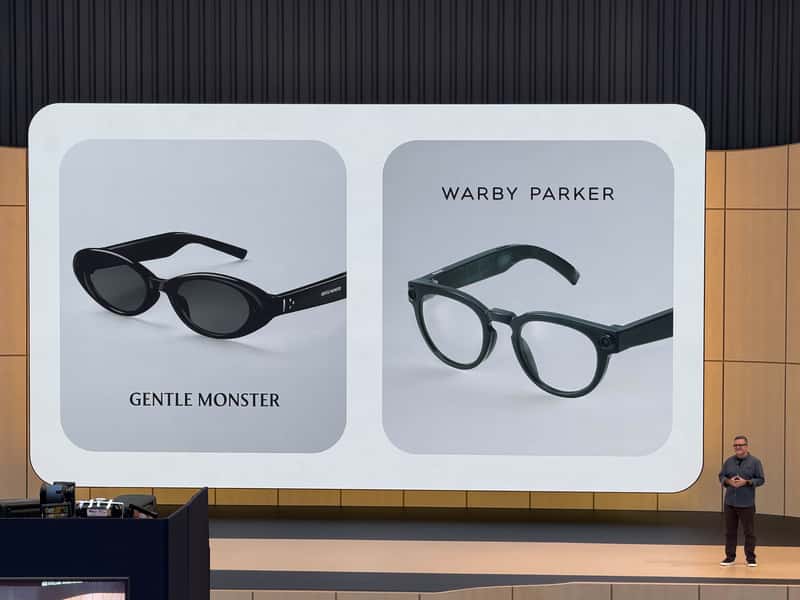
Google has tried smart glasses before and failed. Now, with Gentle Monster, the company is taking a very different approach: making AI hardware desirable before asking people to trust it.

Google has been here before. And it failed badly.
Back in 2013, Google Glass tried to sell us the future as a tiny computer on your face. The idea was ambitious: hands-free information, camera, notifications, maps, the whole “always connected” promise. But visually, it looked exactly like what it was: a tech prototype.
And that was the problem.
Google Glass did not just fail because people were worried about privacy. It failed because nobody wanted to look like they were beta-testing Silicon Valley in public. It made the wearer look weird, and it made everyone around them wonder if they were being recorded.
Since then, smart glasses have gone through quite a change. Meta’s Ray-Ban glasses solved part of the problem by hiding the tech inside a familiar frame. Ray-Ban made smart glasses look normal. Oakley pushes the same idea into performance culture. But the privacy question is still there: if someone is wearing camera-equipped glasses, people around them still have to wonder whether they are being recorded.
So this week’s announcement of Google x Gentle Monster collaboration is not a magic fix. The category still has trust issues. But it is a very different cultural play.
Ray-Ban makes smart glasses familiar.
Oakley makes them athletic.
Gentle Monster makes them desirable.
And that distinction matters.
Gentle Monster is not just an eyewear brand. It is a fashion object brand. The stores feel like installations. The silhouettes are slightly weird, futuristic, and already close to what fashion people want to wear. Mashable described the new frames as less like a Silicon Valley prototype and more like a “cool girl accessory”, and that is exactly the point.
For years, smart glasses sat in an aesthetic no-man’s-land: too techy for fashion people, too awkward for mainstream consumers. Google Glass tried to make people excited about what the glasses could do. Google x Gentle Monster starts with a much smarter question: Would anyone actually want to be seen wearing this?
That is the shift. The old Google Glass said: look what this device can do.
The new Google x Gentle Monster says: look like someone who would wear this anyway.
And maybe that is the real future of AI hardware. Not devices that scream “future”. But objects that already belong in culture, with intelligence quietly built in.
Still, the hard part remains. Gentle Monster can make AI glasses look cool. It cannot automatically make cameras on people’s faces feel normal. It cannot guarantee that the AI features will be useful after the launch hype. And it cannot solve the biggest wearable problem: the moment the product leaves the campaign and enters real life.
But for the first time, Google seems to understand the assignment.